Heat Treatment Cost Per Square Foot: The Science Behind Heat vs Chemic…
페이지 정보

본문
When faced with a serious pest infestation, property owners must decide between two primary treatment approaches: heat treatment and chemical applications. Understanding the science behind each method, along with their respective costs and effectiveness, is crucial for making an informed decision. Heat treatment cost per square foot typically ranges from $2 to $8, while chemical treatments may appear less expensive initially but often require multiple applications, affecting the total investment over time.
The Science of How Heat Treatment Kills Insects
Heat treatment works through a process called protein denaturation, where elevated temperatures disrupt the cellular structure of insects and their eggs. The lethal temperature for cockroaches ranges between 120 to 140 degrees Fahrenheit, while bed bugs succumb at similar temperatures. Professional heat treatment equipment uses industrial heaters to maintain these temperatures for 6 to 8 hours, ensuring uniform temperature distribution throughout the treated space.
The thermal process penetrates wall voids, cockroach kitchen cabinet harborage areas, and even reaches bed bugs hiding in electronics and furniture seams. Heat treatment kills cockroach eggs at 130 degrees, making it particularly effective against reproductive cycles. Unlike chemical treatments, heat offers same day return capabilities since there are no toxic residues requiring evacuation time.
Research shows that heat treatment requires no chemical residue management and poses minimal risk to people with asthma or other respiratory sensitivities. The method achieves whole structure treatment in a single application, addressing cockroach harborage behind appliances and in wall void moisture areas where chemicals struggle to penetrate.
Chemical Treatment Approaches and Effectiveness
Chemical pest control methods encompass several strategies, each with distinct mechanisms of action. Gel bait cockroach treatment targets feeding behavior, while insect extermination comparison (https://www.ebersbach.org) growth regulators disrupt reproduction cycles. Residual spray provides ongoing protection, and crack and crevice applications target specific harborage areas.
The layered chemical approach often proves most effective for severe infestations. Bait stations offer controlled exposure with low environmental impact, while diatomaceous earth and boric acid provide natural alternatives. However, chemical treatment effectiveness faces challenges from insecticide resistance development, particularly in German cockroach populations that have developed resistance to multiple chemical classes.
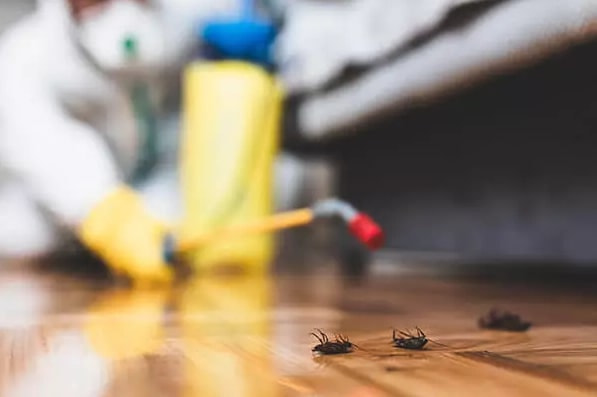
Chemical treatments typically require multiple visits to achieve colony level knockdown. The cockroach treatment timeline for chemical programs often spans several weeks, with follow up visits necessary to monitor progress and address emerging resistance. Professional cockroach inspection reveals that chemical egg case penetration remains limited, requiring treatments to target newly hatched nymphs over multiple generations.
Cost Analysis and Long-Term Value
Heat treatment home costs range from $2000 to $6000 for whole structure applications, translating to specific heat treatment cost per square foot calculations. While this initial investment appears substantial, the single application approach often proves more cost effective than extended chemical programs requiring multiple visits.
Chemical treatment costs vary significantly based on the chosen methods and treatment duration. Gel bait treatments offer low initial costs but may require frequent reapplication. Professional cockroach extermination using comprehensive chemical programs can exceed heat treatment costs when accounting for multiple applications over time.
The economic analysis must consider preparation requirements, evacuation needs, and treatment efficacy. Heat treatment preparation involves protecting temperature-sensitive items, while chemical treatment preparation often requires extensive cleaning and clutter removal to ensure adequate coverage.
Safety Considerations and Health Impacts
Heat treatment health safety profiles favor environments with vulnerable occupants. The method produces no chemical residues, eliminating concerns about indoor air quality impacts or respiratory irritation. Heat treatment poses no long-term exposure risks to children, pets, or individuals with chemical sensitivities.
Chemical treatments require careful evaluation of safety profiles. While modern formulations like gel baits offer low exposure risks, some applications may affect indoor air quality through volatile organic compounds. Chemical treatment safety depends heavily on proper application techniques and adherence to label restrictions.
For multi unit buildings, heat treatment offers advantages in occupied structures since it requires minimal disruption to adjacent units. Chemical treatments in apartments may necessitate coordination between units to prevent pest migration and ensure comprehensive control.
Which Treatment Method Works Best
The most effective pest treatment depends on multiple factors including infestation severity, building characteristics, and occupant needs. Heat treatment excels in situations requiring rapid resolution with minimal ongoing maintenance. The method particularly benefits scenarios involving chemical resistant pest populations or environments where residue concerns are paramount.
Chemical treatments prove most suitable for long-term management programs where ongoing monitoring and control are preferred. The flexibility of chemical approaches allows for targeted applications addressing specific problem areas while maintaining cost effectiveness through selective treatment strategies.
Professional assessment remains crucial for determining the optimal approach. Factors such as cockroach wall void access, existing harborage patterns, and previous treatment history influence method selection. Severe infestations often benefit from heat treatment's comprehensive approach, while light to moderate problems may respond well to targeted chemical interventions.
Making the Right Decision for Your Situation
Selecting between heat vs chemical treatments requires careful consideration of immediate needs and long-term objectives. Heat treatment cost per square foot calculations should account for the comprehensive nature of single applications, while chemical program costs must include potential repeat treatments and ongoing monitoring requirements. Understanding these science-backed differences enables property owners to choose the most appropriate and cost-effective solution for their specific pest control challenges.
- 이전글SEO: The Complete Guide to Search Engine Optimization in 2026 26.06.24
- 다음글Power Washing Pros of Farmingville | House & Roof Washing 26.06.24
댓글목록
등록된 댓글이 없습니다.